Sometimes, we go looking for something sacred without realizing it’s been right in front of us the whole time.
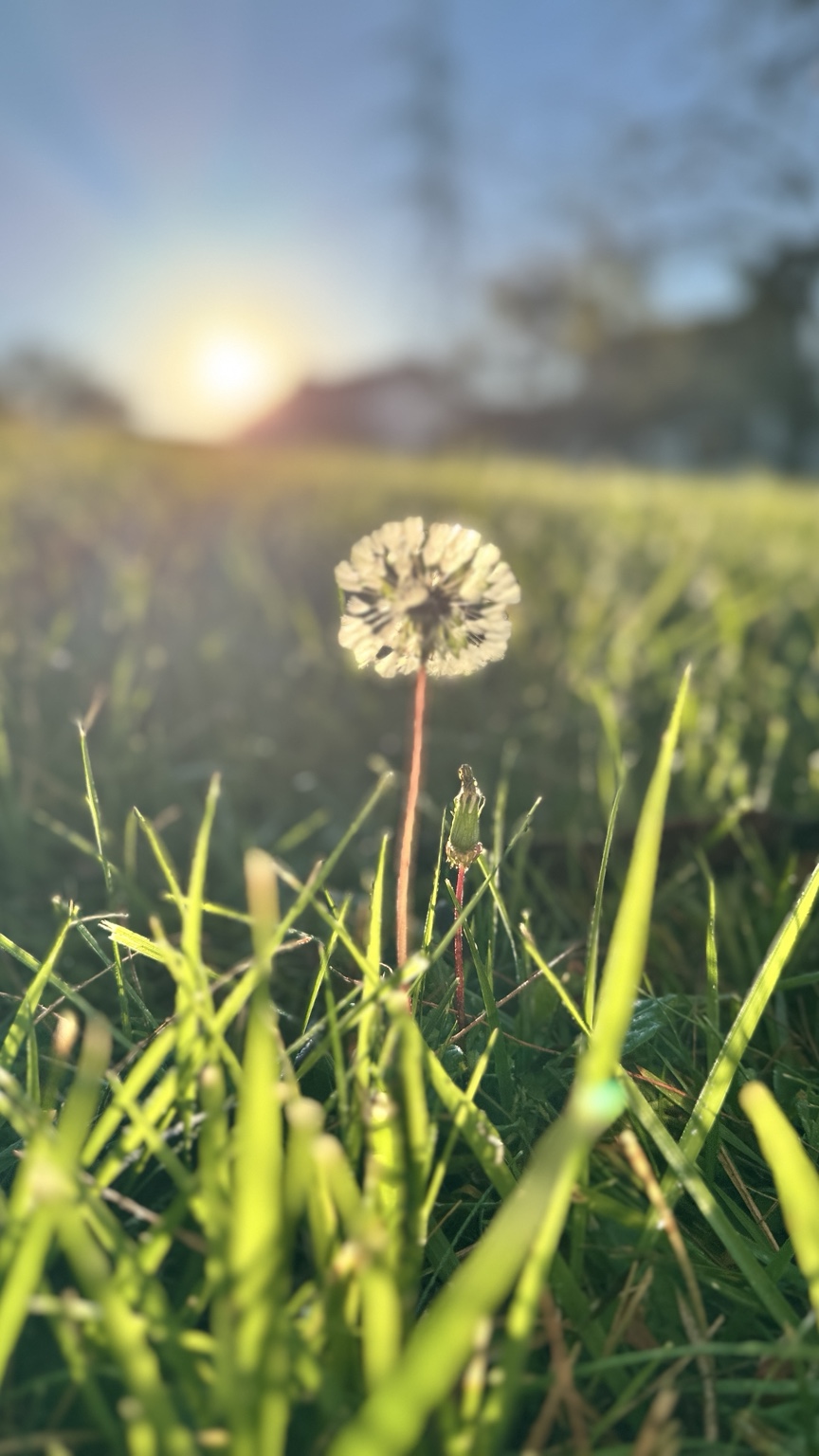
Take a moment and look at this photograph. A little dandelion standing among the grass, catching the sunlight. Nothing fancy. Nothing elaborate. Just a small part of nature doing what nature does.
How many times have we walked past something like this without giving it a second thought? We’re so busy getting from one place to another that we sometimes forget to notice the world around us. And yet, there’s something beautiful about stopping long enough to appreciate what’s right in front of us. That’s where sacred space can begin.
Sacred Space Doesn’t Have to Be Complicated
When people hear the words sacred space, they sometimes imagine an elaborate altar, a ceremonial setting, or a special place somewhere far away. And yes, those places can be meaningful. But sacred space can also be a quiet moment in your backyard, sitting beneath a tree, watching the sunrise, or listening to the wind move through the leaves. It’s not always about where you are. Sometimes, it’s about how present you are.
Learning to See What Has Always Been There
Think about that little dandelion. Some people see a weed. Others see a flower. Someone else might remember being a child, picking one up, making a wish, and blowing its seeds into the wind. Same plant. Different experiences.
Nature has a way of reminding us that there is often more than one way to look at something. In shamanic practice, observation is important. We learn to listen, pay attention, and develop relationships with the natural world. Not every encounter needs to become a spiritual message. Sometimes, appreciating the beauty of something is enough.
Creating Sacred Space With Intention
In my book, The Shaman’s Path for Beginners, I explore the importance of creating sacred space as part of preparing for shamanic work. A sacred space can be somewhere we meditate, pray, reflect, or prepare for ceremony. It might include meaningful objects, photographs, stones, feathers, water, or representations of the natural elements.
These objects can help us focus our attention and remember our intentions. But I also believe it’s important to remember that the relationship we develop with our surroundings matters just as much as the objects we place there. You don’t need to collect a room full of spiritual items to begin developing that relationship.
Start by being present. Find somewhere you feel comfortable. Give yourself a few quiet moments. Notice what surrounds you. What do you hear? What do you see? What are you feeling? You don’t have to force an experience or search for a particular answer. Just allow yourself to be there.
Bringing Sacred Awareness Into Everyday Life
One of the beautiful things about developing a spiritual practice is discovering that it doesn’t have to remain separate from everyday life. We can carry that awareness into our gardens, our homes, our relationships, and our communities. We can practice gratitude while watching the sunrise, find moments of reflection while walking through the woods, and remember our connection to the Earth while sitting quietly in our own backyard.
And when we do create a dedicated sacred space for meditation or ceremony, we bring that same awareness and respect into it. Over time, our sacred space can grow and change as we grow and change.
The Sacred Is Closer Than We Think
Maybe that’s what I appreciate most about this little dandelion. It doesn’t need to be anything other than what it is. It reminds me that we don’t always have to travel somewhere special or participate in an elaborate ceremony to experience a meaningful moment. Sometimes, we simply need to notice.
The next time you’re outside, give yourself a few minutes. Put the phone away. Look around. Listen. You might be surprised by what you’ve been walking past all along.
And remember, sometimes the sacred space you’re looking for begins with the space you’re already standing in.
Continue Your Journey
If you’re curious about developing a deeper relationship with nature, creating sacred space, and exploring shamanic practices, I invite you to read my book, The Shaman’s Path for Beginners. In Chapter 1, I explore the foundations of shamanism, including how to prepare a sacred space, work with meaningful objects, and develop a practice rooted in intention and awareness.
You don’t have to know everything before beginning. Sometimes, the journey starts with simply paying attention.
Find The Shaman’s Path for Beginners on Amazon. You can also look for it through Books by Iggy.
Iggy Garcia
Condor Eagle Society for Shamanic Studies